
Richard Craig (ffliwt / flutes)
15.02.2026 15:00 Pontio, Bangor
Dau ddarn newydd gan TRW / Two new works by TRW
Tocynnau / Tickets: Bangor Music Festival » 2026
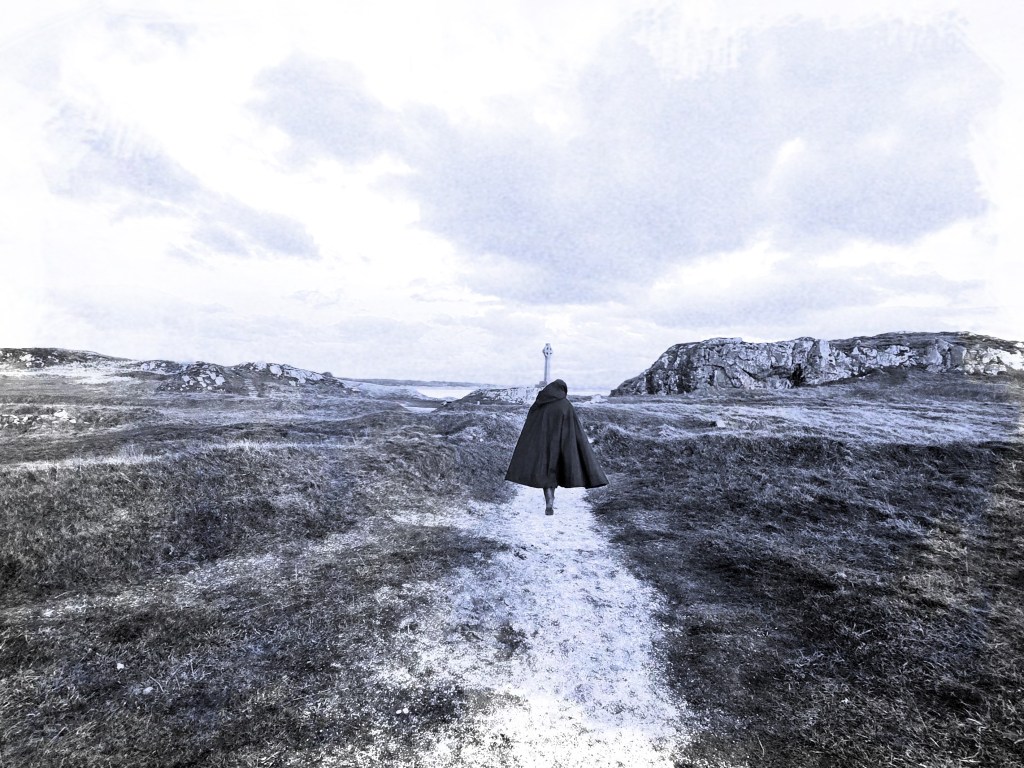
…cawod melltithion…
Tua 60–61 OC, croesodd llengoedd Rhufeinig Afon Menai i goncro’r sanctum sanctorum Derwyddol ar Ynys Môn. Mae Tacitus yn disgrifio golygfa arswydus: menywod brodorol mewn du, gwallt bler yn llifo, melltithion cawod; Derwyddon yn codi eu dwylo i’r awyr, yn bwrw gweddiau wrth i fflamau fwyta eu llwyni sanctaidd. Mae’r ymgyrch filwrol hon yn cynrychioli rhwyg diwylliannol.Roedd 15 Chwefror yn y calendr Rhufeinig yn nodi Lupercalia – gŵyl ffrwythlondeb anhrefnus o waed, defod, a pharu ar hap. Roedd yn dathlu cysylltiad cyntaf, nid delfrydiaeth ramantus. Wrth i’r Ymerodraeth Rufeinig ehangu, efallai ei bod wedi allforio neu orfodi’r defodau hyn, gan ailddiffinio perthnasoedd.
Gellid ystyried concwest Ynys Môn a’i thrawsnewidiad dilynol yn debyg i’r ffordd y gallai Dydd Sant Ffolant fod wedi disodli gŵyl Lupercalia yn ddiweddarach.
Mae perthnasoedd – rhamantus, ysbrydol, diwylliannol – yn cael eu diffinio gan ddefod ac yn cael eu hailysgrifennu gan bŵer. Mae anghofio gorfodol yn ysgogi myfyrio ar yr hyn sy’n parhau i gael ei ddal yn y tir. Mae’r gwaith hwn yn cynnwys recordiadau hydroffon a maes amgylchynol o Afon Menai (ger un o’r safleoedd posibl ar gyfer y groesfan Rufeinig, yn ôl Henry Rowlands) ac Afon Cadnant (safle brwydr ddiweddarach yn ymwneud â Llywelyn Fawr), sy’n llifo i’r Culfor. Cyfieithiad o destun David Jones o The Anathemata gan Tristan Rhys Williams.
In ca. 60–61 CE, Roman legions crossed the Menai Strait to conquer the Druidic sanctum sanctorum on Anglesey. Tacitus describes a haunting scene: native women in black, dishevelled hair streaming, showering curses; Druids raising their hands to the sky, casting imprecations as flames consumed their sacred groves. This military campaign represents a cultural rupture.
15 February in the Roman calendar marked Lupercalia—a chaotic fertility festival of blood, ritual, and pairing by chance. It celebrated primal connection, not romantic idealism. As the Roman Empire expanded, it may have exported or imposed these rites, redefining relationships.
The conquest of Anglesey and its subsequent transformation could be seen as analogous to the way Valentine’s Day may have later supplanted the feast of Lupercalia.
Relationships—romantic, spiritual, cultural—are defined by ritual and rewritten by power. Forcible erasure prompts reflection on what remains encoded and pulsing in the land. This work includes hydrophone and ambient field recordings from the Menai Strait (near one of the possible sites for the Roman crossing, according to Henry Rowlands) and the Afon Cadnant (the site of a later battle involving Llewelyn The Great), which flows into the Strait. Translation of David Jones text from The Anathemata by Tristan Rhys Williams.
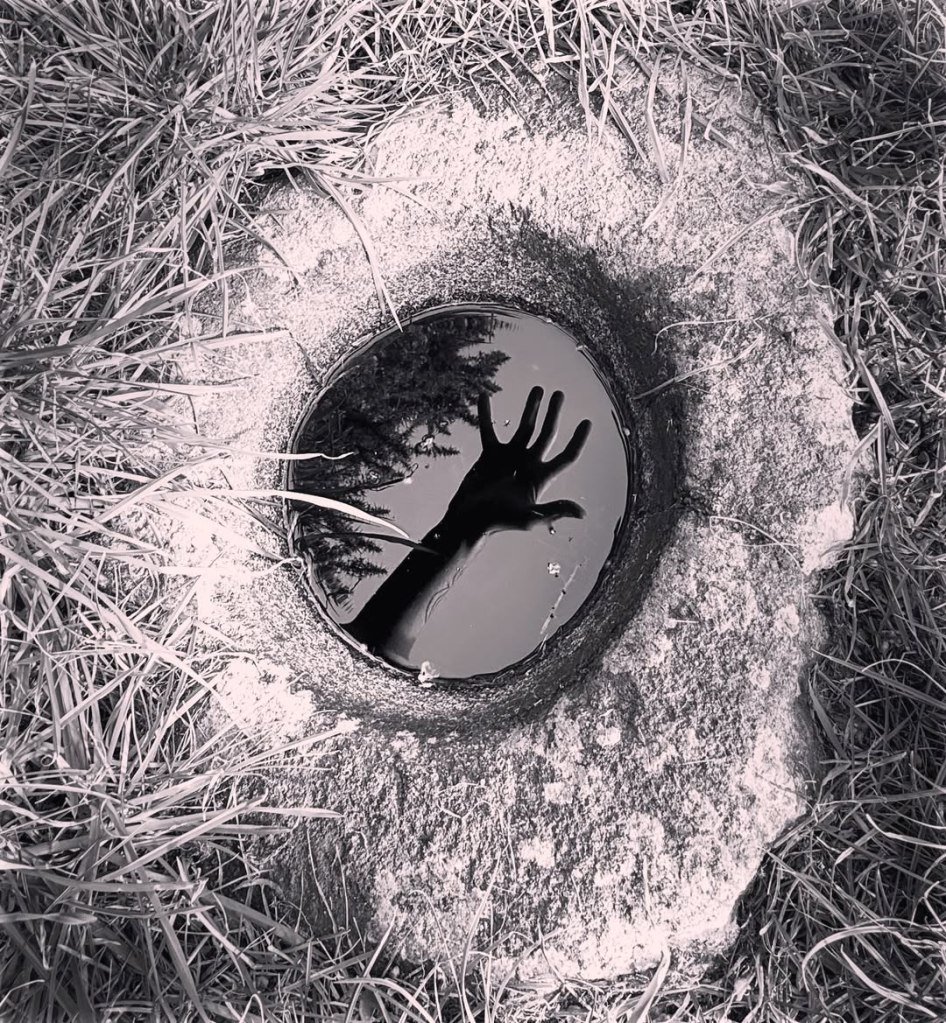
Caer Siddi
Taliesin
Bu kyweir karchar Gweir yg Kaer Sidi
[Maintained was Gwair’s prison in Caer Siddi]
trwy ebostol Pwyll a Phryderi
[throughout Pwyll and Pryderi’s story]
Neb kyn noc ef nyt aeth idi
[No-one went there before he did]
y’r gadwyn tromlas kywirwas ketwi
[into the heavy grey chain guarding the loyal lad]
A rac preideu Annwfyn tost yt geni
[And before the spoils/herds of Annwn he was singing sadly]
ac yt Urawt, parahawt yn bardwedi
[and until Doom shall our poetic prayer continue]
——— Preiddeu Annwn; Llyfr Taliesin 54.16 -56.13; (trans. Marged Haycock]
“What is the relation of Caer Sidi to Caer Arianrhod? Were they the same place? I think not, because Caer Sidi has been identified with Puffin Island off the coast of Anglesey and with Lundy Island in the Severn: both of them island Elysiums of the usual type. A clue to the problem is that though Caer Sidi, or Caer Sidin, means ‘Revolving Castle’ in Welsh, and though revolving islands are common in Welsh and Irish legend, the word ‘Sidi’ is apparently a translation of the Goidelic word Sidhe, a round barrow fortress belonging to the Aes Sidhe (Sidhe for short), the prime magicians of Ireland.”
——— The White Goddess; Robert Graves
Trydydd Gainc y Mabinogi / Third Branch of The Mabinogi
Denwyd Pryderi at bowlen ddisglair ar y slab marmor, ac estyn allan i afael ynddo, ond wrth i’w ddwylo ei gyffwrdd, redden nhw yn sownd, ei draed wedi’u rhewi i’r garreg oddi tano, wedi’u rhwymo gan y cadwyni sy’n codi tuag at yr awyr. Pan wnaeth Rhiannon gyrraedd a chyffwrdd â’r bowlen, mae’r un tynged yn digwydd iddi, ac mae gorchudd o niwl yn troelli o’u cwmpas wrth i’r gaer ddiflannu, gan adael dim ond y cof o’u trap.
Pryderi, drawn by the gleaming bowl on the marble slab, reaches out to grasp it, but as his hands touch it, they become stuck, his feet frozen to the stone beneath him, bound by the chains that rise toward the sky. When Rhiannon arrives and touches the bowl, the same fate befalls her, and a veil of mist swirls around them as the fort vanishes, leaving only the memory of their entrapment.
 Tristan Rhys Williams