
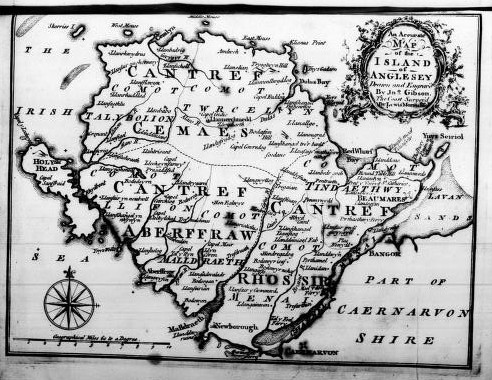
These explanatory notes are in English as the narrated text is in Welsh. A triptych of works dedicated to and derived from the three most significant geomythic sites on Anglesey. The works consist of geophone, hydrophone and ambient field recordings with voice.
Dedicated to the spirits who roam this isle, remembering what happened here.
** Taliesin)
The astounding Bryn Gwyn Stones are to be found in the Tre’r Dryw area of Anglesey framing the Eryri mountain range. These used to be part of a stone circle – excavations by the Gwynedd Archaeological Trust confirmed the presence of eight stones originally. This was clearly a ritual landscape – the Castell Bryn Gwyn Neolithic henge and Iron Age Caer Leb settlement are in the environs.
There are notable eighteenth century drawings of the site:
– The alleged Druidical Temple of Tre’r Dryw (Anglesey) by Revd Henry Rowlands (1723) from ‘Mona Antiqua Restaurata: an Archaeological Discourse on the Antiquities, Natural and Historical, of the Isle of Anglesey, the Antient Seat of the British Druids’
– ‘Itinerarium Curiosum’ (1776) by William Stukeley
According to Frances Lynch in ‘Prehistoric Anglesey’, these are part of one of two possible stone circles in the Brynsiencyn area (there are only two surviving stones). Henry Rowlands in the aforementioned ‘Mona Antiqua Restaurata’ (1723) records three large stones and the stump of a fourth which he said formed the arc of a circle about 40ft. in diameter.
Llyn Cerrig Bach [Lake], Llanfair yn Neubwll (‘St Mary’s of the Two Pools’).
Coflein: “The finds at Llyn Cerrig Bach are the most important British example of a phenomenon well known on the Continent and described by Caesar – a sacred lake in which the spoils of war were thrown by the Celts as offerings to their gods.”
“The dates of the finds are also of interest. Some of the swords are of types current in the 2nd century BC, others are of later designs, but nothing later than AD 60 can be identified. This suggests that the lake developed its importance in the latter half of the Iron Age, and it was the Roman invasion of Anglesey in AD 60 that put a stop to the flow of offerings.”
The evidence suggests that Celts revered bodies of water, viewing them as sacred, imbued with numinous significance and inhabited by spirits. I regard this site as a portal to Annwfn (the Otherworld) and it was to this place that I came when someone very dear to my died in 2020. What is remembered lives.
The druids are strongly associated with Anglesey. The source of this association is based on the account by the Roman author Tacitus, who wrote of the Roman conquest of Anglesey. This text includes a rough Welsh translation of the account:
“On the beach stood the adverse array [of Britons], a serried mass of arms and men, with women flitting between the ranks. In the style of Furies, in robes of deathly black and with disheveled hair, they brandished their torches; while a circle of Druids, lifting their hands to heaven and showering imprecations, struck the troops with such an awe at the extraordinary spectacle that, as though their limbs were paralysed, they exposed their bodies to wounds without an attempt at movement. Then, reassured by their general, and inciting each other never to flinch before a band of females and fanatics, they charged behind the standards, cut down all who met them, and enveloped the enemy in his own flames. The next step was to install a garrison among the conquered population, and to demolish the groves consecrated to their savage cults; for they considered it a pious duty to slake the altars with captive blood and to consult their deities by means of human entrails.” (Translated by John Jackson, published by William Heinemann, 1951).
 Tristan Rhys Williams